Board of Directors
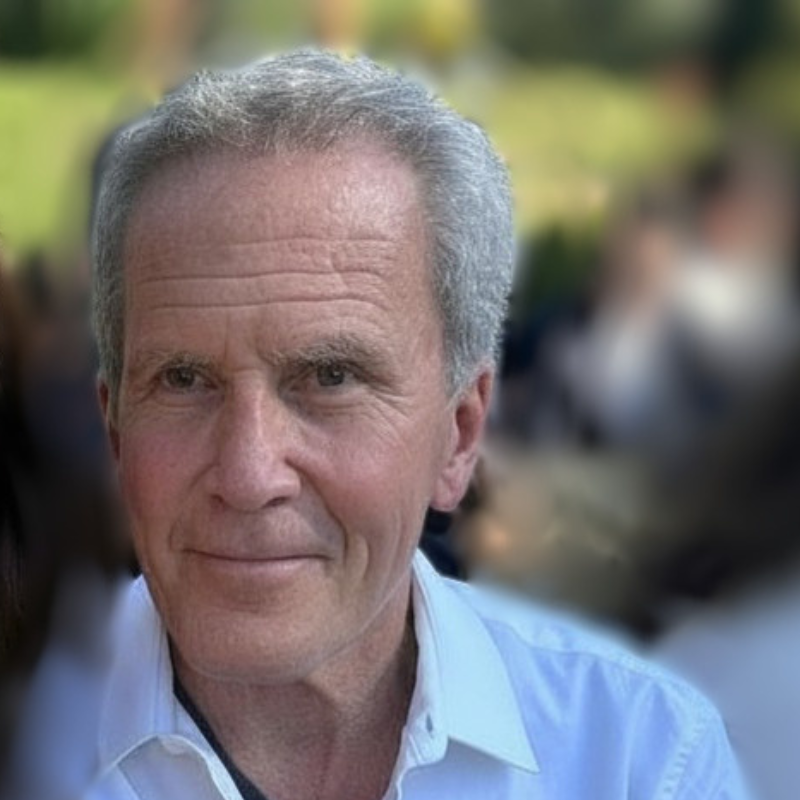
James Aronson, Co-Founder and President
In addition to his efforts devoted to EHN these past ten years, James is research associate and senior scientist emeritus with Missouri Botanical Garden’s Center for Conservation and Sustainable Development. For 40 years, he has participated in ecological restoration and rehabilitation projects in many parts of the world, and engaged in many different inter-cultural settings and at many spatial and temporal scales. He has published many influential articles and books in this field and related. From 1992 to 2016, he was a restoration scientist at the Center for Functional and Evolutionary Ecology (CNRS), in Montpellier, France. From 2002-2020, he served as Editor-in-chief of the “Science and Practice of Ecological Restoration” Book Series of Island Press and the Society for Ecological Restoration (SER), in which time 28 books were published. For eight years (2012-2020) he also served as a SER Board member. Currently, he is concentrating his networking and R & D efforts in SE Brazil, W. Argentina, and elsewhere on the South American continent, and in 5 different countries. The overview in both cases is to try to co-create and promote bioregional Networks of sites working on Ecosystem Restoration and Ecohealth, i.e., Human health and Ecosystem health united in one vision and modus operandi.
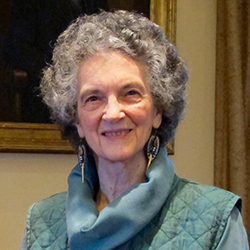
Neva Goodwin, EHN Co-Founder
Neva is actively involved in the synthesis and institutionalization of contextual economics – an economic theory that will have more relevance to real-world concerns than the current dominant economic paradigm. In addition to a variety of educational materials, Neva is lead author of the introductory college-level textbook, Microeconomics in Context, whose Transitional Economies Edition was translated into Russian and Vietnamese and published in those countries in 2002. The US version and its companion, Macroeconomics in Context are currently published by Routledge in languages and editions that reach well beyond the English-speaking world.
In other activities, Neva has been involved with efforts to motivate businesses to recognize social and ecological health as significant, long-term corporate goals. A number of her articles and working papers are available on her ResearchGate profile.
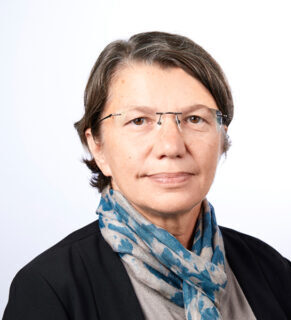
Laura Orlando, EHN Co-Founder
Laura brings her interests in soil health, water quality, and human health to her work as an Adjunct Professor of Environmental Health at the Boston University School of Public Health and Senior Scientist at Just Zero, an organization advancing community-centered zero waste solutions. She has over 30 years of international experience working on the design, construction, and management of sustainable systems in the built environment, with a special focus on community-led water and sanitation projects. Laura is also a Contributing Editor at Barn Raising Media.
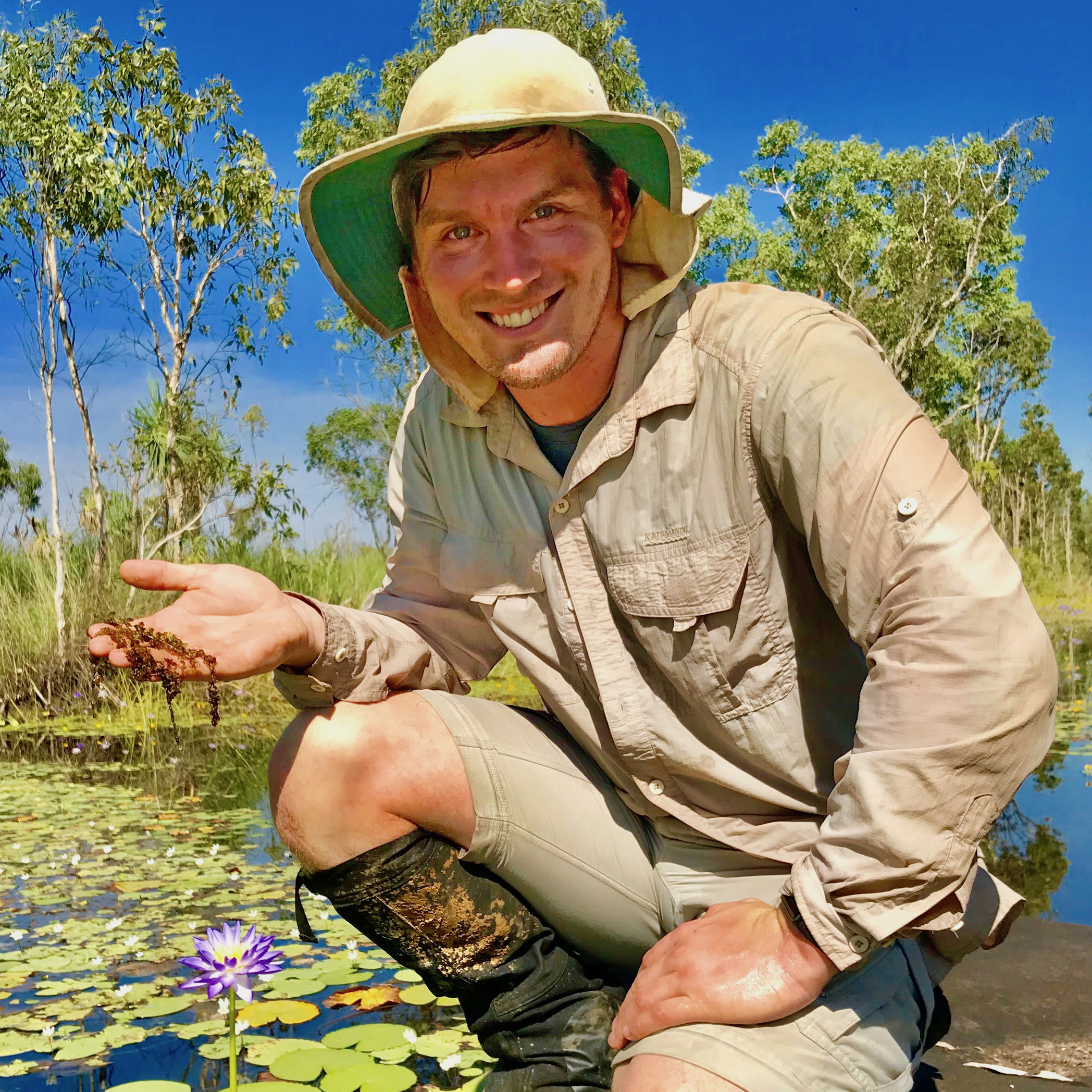
Adam Cross, Science Director
Adam is a restoration ecologist and botanist working to improve the recovery of ecosystems impacted by human activities such as mining, particularly in dryland ecosystems. He is particularly interested in seed-based restoration and the determinants of how plant communities assemble after disturbance. He has published many peer-reviewed articles and book chapters, as well as two books. After completing his PhD Adam held several postdoctoral positions until becoming recipient of a Research Fellowship in Restoration Ecology at Curtin University, co-funded by EHN from 2020-2023, before joining EHN’s Steering Committee in March 2023. Adam is also EHN's Science Director.
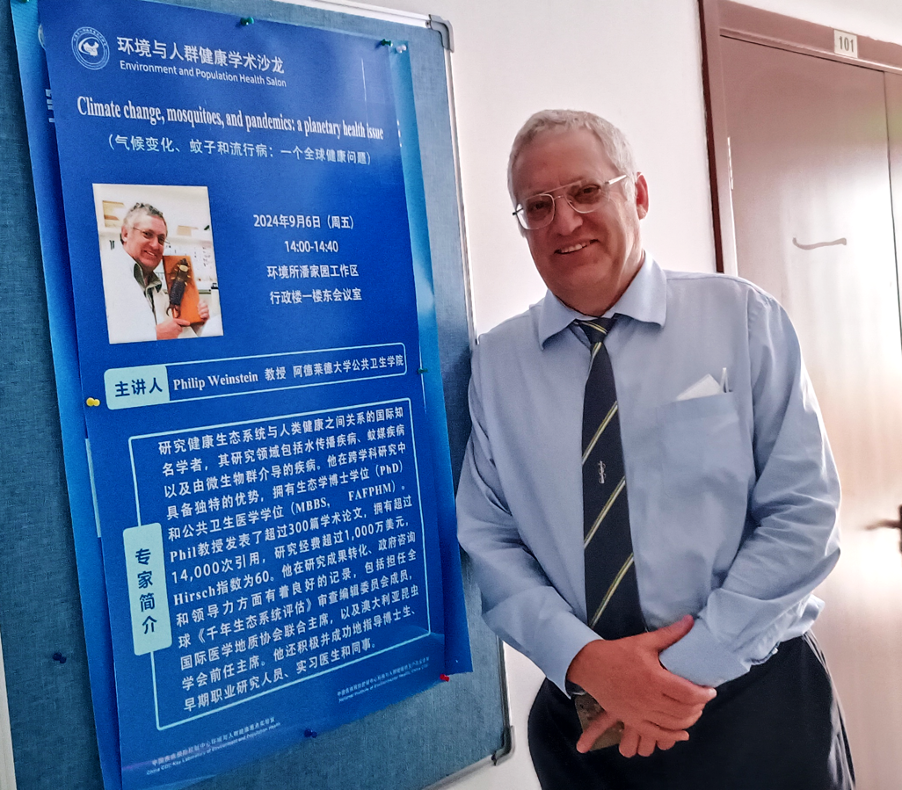
Philip Weinstein, Health Science Director
Phil is an established international leader in researching the relationships between healthy ecosystems and human health, including water-borne, mosquito-borne, and microbiome-mediated disease. He is uniquely qualified for this multidisciplinary work as a public health physician (MBBS, FAFPHM) with a parallel career in native ecosystem ecology (PhD). He has over 400 publications, 16,000 citations, over $10M in research income, and an h-index of 64. Phil was a member of the Board of Review Editors for the global Millennium Ecosystem Assessment, served as Co-Chair of the International Medical Geology Association, and is a past President of the Australian Entomological Association. He has taught zoology, ecology, and public health as Head of several schools of both biological sciences and public health in Australia and New Zealand. He is currently Emeritus Professor in the School of Public Health at Adelaide University, and an active mentor to PhD students, researchers, medical registrars, and colleagues.
Staff, Research Affiliates, and Interns
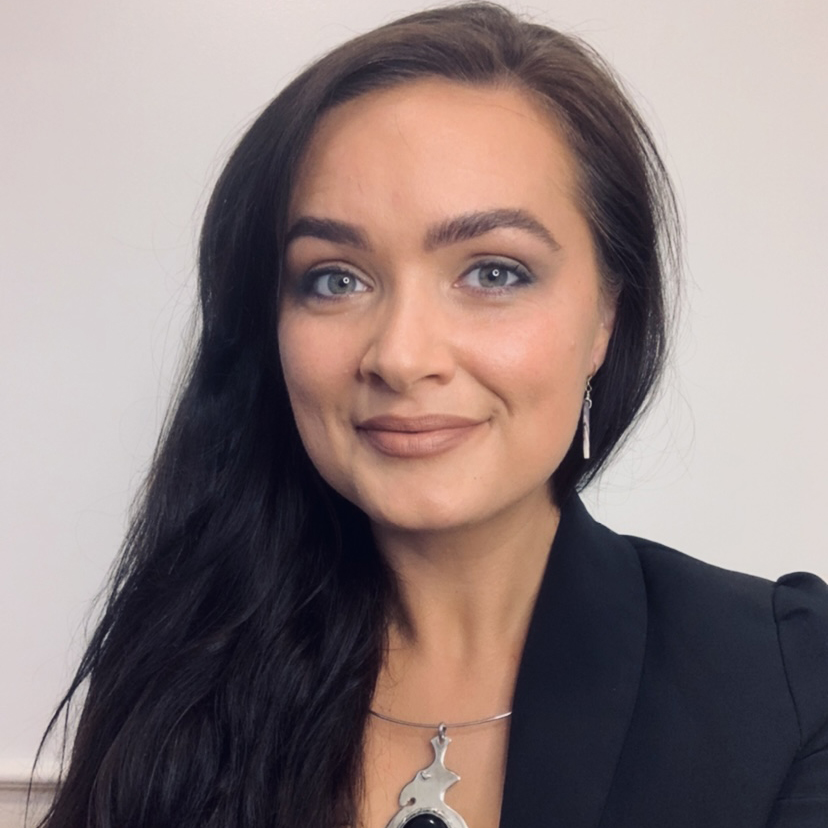
Lauren Shew, Director of Operations
Lauren is an enrolled citizen of the Pamunkey Indian Tribe and a graduate of Virginia Polytechnic Institute and State University (Virginia Tech) where she received a Bachelor’s of Science in Psychology with coursework in the American Indian Studies Program.
Previously serving as the Director of the Tribal Resource Center for the Pamunkey Indian Tribe, Lauren adeptly led working groups focusing on cultural and natural resources as well as cultural education. Her primary interest was in wetland protection and restoration. She authored the EPA-Tribal Environmental Plan and collaborated with the Virginia Institute of Marine Science to create a Wetlands Management Plan for the Tribe.
Lauren believes strengthening the relationships between local, state, federal, and tribal governments is vital in order to protect and restore cultural and natural resources.
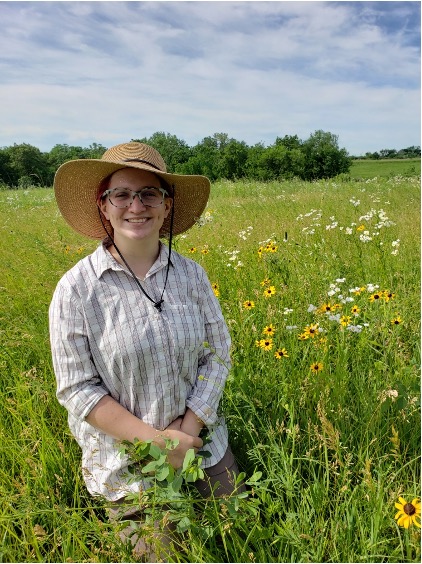
Isabella Sferra, Research Affiliate
Isabella Sferra is currently a masters’ student at the University of Maine, working on research related to sustainable sugarbush management. Sugarbushes are the managed forests where maple syrup is made from trees in the genus Acer (maples), especially sugar and red maples. This research is intended to help maple syrup producers continue their operations under a changing climate, identifying barriers to climate adaptation practice adoption. She is also interested in conservation and restoration ecology, especially in the Northeastern US. In addition to her research and work at EHN, she enjoys nature photography and runs an ecology and environmental-science Instagram account, @grow.nativeplants.
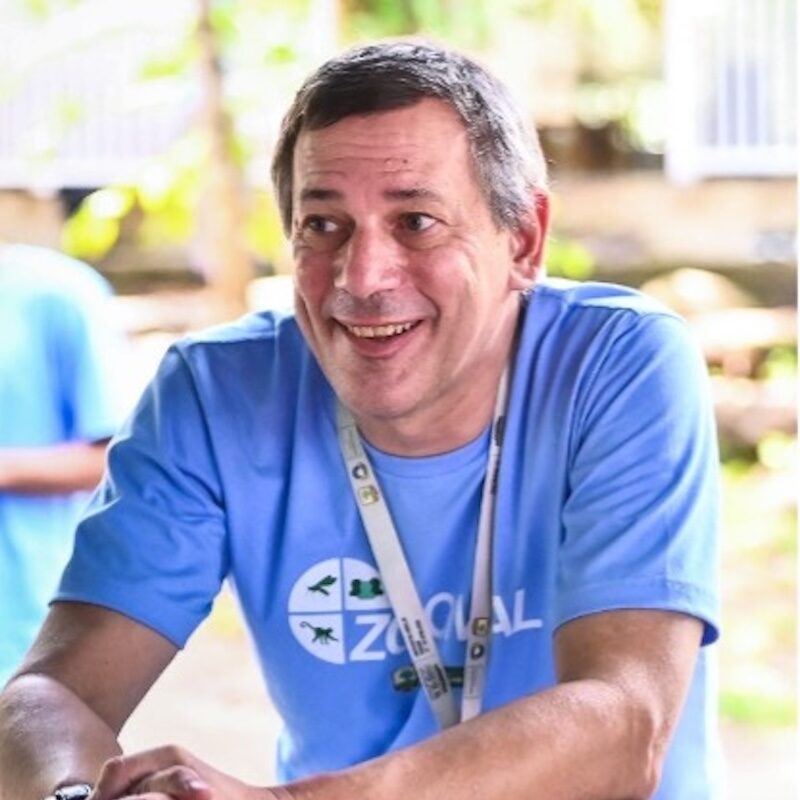
Peter Speldewinde, Research Affiliate
Peter is an ecologist who started his research career on Australian native rodents and then made a leap into OneHealth when he studied the impact of dryland salinity on human health. Since then he has worked on projects in Australia, Malaysia and Indonesia examining how ecosystem change impacts human health. His current work includes the impact of landuse change on zoonotic malaria in Indonesia, the impacts of ecosystem restoration on zoonotic malaria in Malaysia, impacts of toxoplasmosis on native wildlife in Australia and the impacts of ecosystem restoration on Ross River Virus in Australia.
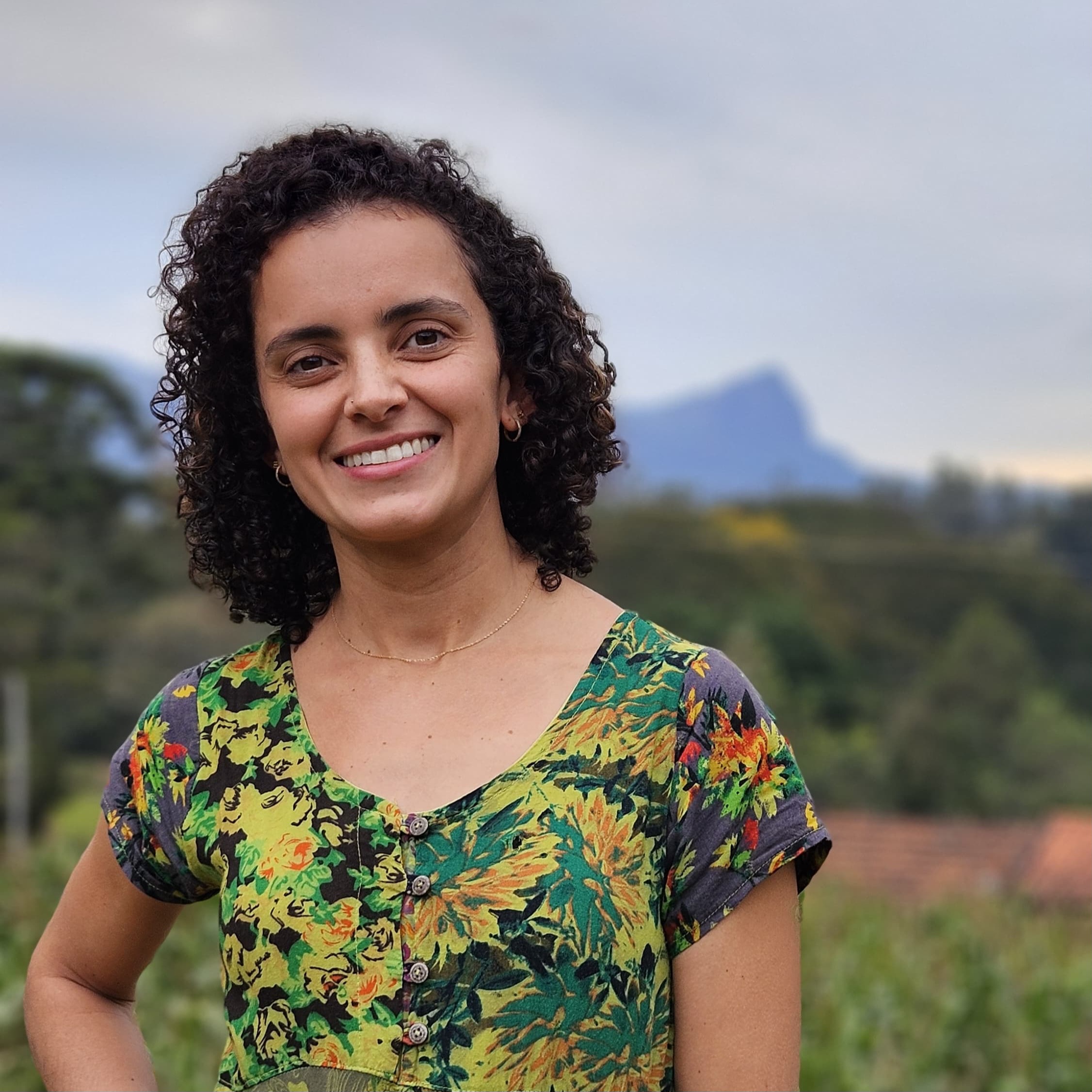
Júlia Mendonça, Research Affiliate
Júlia is a forest engineer and ecologist graduated from Brazil’s Universidade Federal de Viçosa and she holds a master’s degree in Ecology from Universidade Federal de Juiz de Fora, where she is currently pursuing a PhD in Biodiversity and Nature Conservation. Her research focuses on the high-montane ecosystems of the Serra da Mantiqueira within the Atlantic Forest biome, one of the world’s hottest biodiversity hotspots. These mosaic highlands landscapes also harbor the Reserve Matutu, one of EHN’s newest member sites.
During her master’s studies, Júlia investigated the floristic composition and vegetation dynamics of the endangered tropical montane grasslands, and she currently studies the impacts of wildfires on mountain ecosystems, with a particular focus on tropical cloud forests. Her work examines vegetation dynamics across a post-fire chronosequence in these ecosystems, assessing tree and regenerating communities, soil seed banks, soil properties, carbon stocks, and factors associated with vegetation flammability. By integrating fire ecology and ecological restoration, her research seeks to understand how wildfires affect biodiversity, vegetation structure, and ecosystem functioning in montane Atlantic Forest landscapes. In the context of accelerating climate change, her studies will contribute to understanding how increasing wildfire frequency and severity may affect ecosystem stability, ecosystem services, air quality, and human health, supporting the development of science-based strategies for biodiversity conservation and post-fire restoration. Júlia will benefit from the support of the Matutu Reserve’s 30+ year old volunteer fire brigade for the extensive field work she will be undertaking.
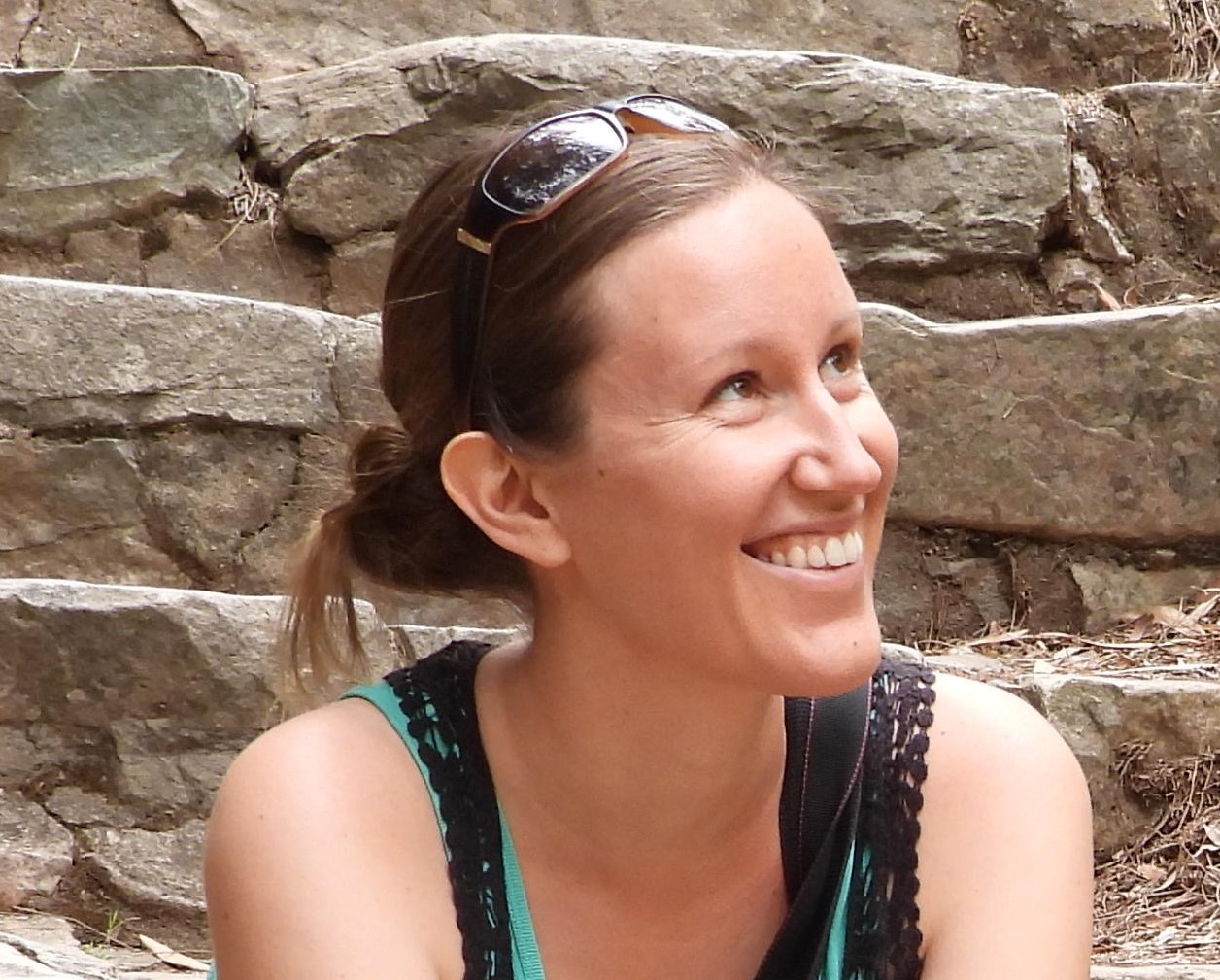
Jessica Stanhope, Research Affiliate
Jessica is an epidemiologist and registered physiotherapist, with a broad research background in environmental and occupational health. Jess has published more than 50 first author, peer reviewed papers. She leads the Environmental Allied Health group at The University of Adelaide, investigating the relationship between exposure to nature and health outcomes, and how this relates to allied health practice. Her research spans basic research, exposure science, social science and epidemiology, and brings together multidisciplinary teams including industry partners to ensure meaningful outputs.
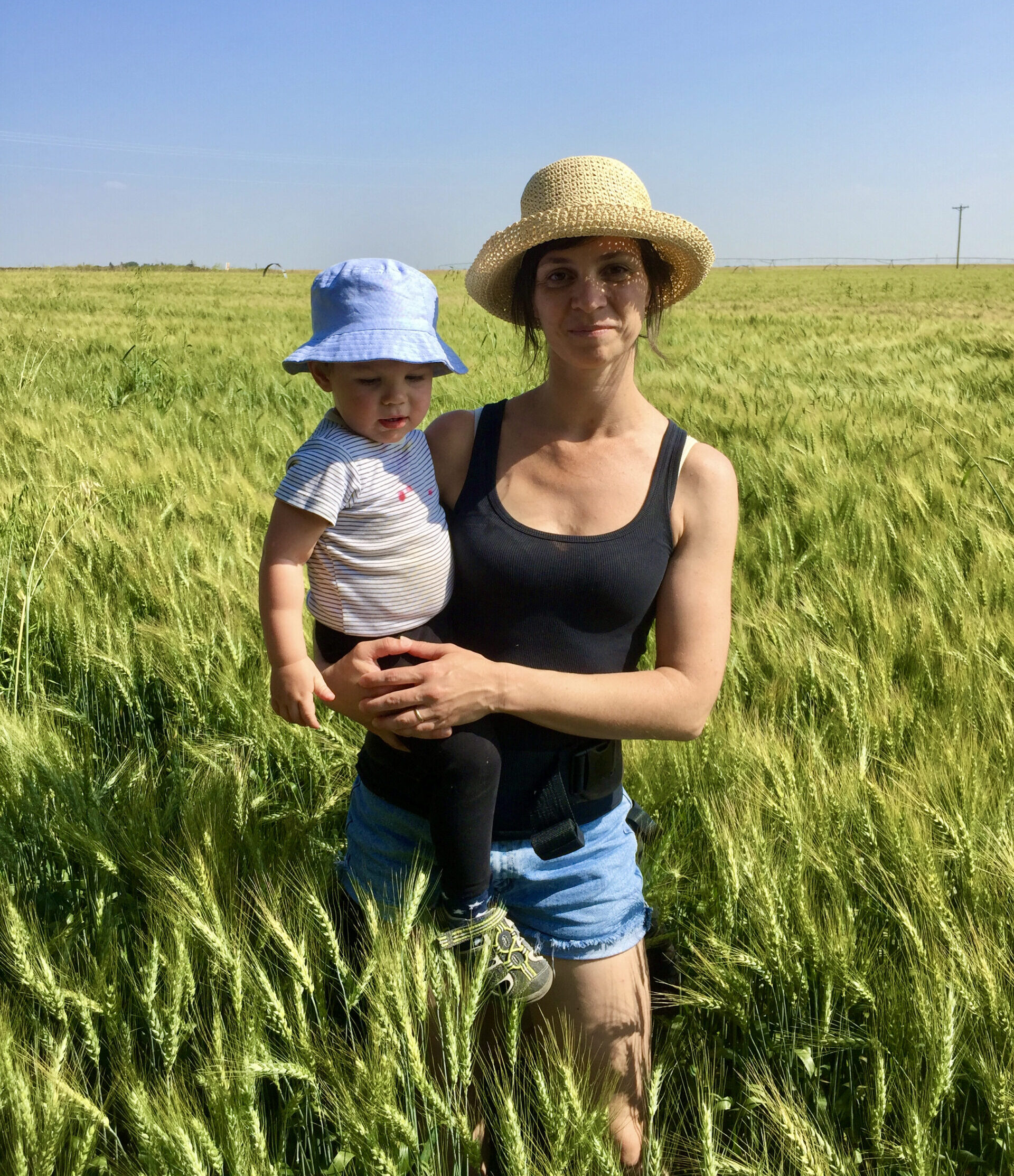
Katherine Lawless, Research Affiliate
Kate is an Assistant Professor of Transdisciplinary Environmental Communication in the Departments of Communication, Media and Film and Geography at the University of Calgary (Alberta, Canada). She previously held the position of Associate Professor of Global Biopolitics in the Centre for Global Studies at Huron University College (Western University, Ontario, Canada). Her research focuses on questions of value and care, human-nature relations, the social dimensions of soil health, food and knowledge systems, and environmental and agricultural history. She is the lead researcher on the national transdisciplinary project and exhibition, (Re)Mediating Soils, and has a burgeoning track record of peer-reviewed publications in diverse disciplines, from art and media studies to the social and natural sciences.
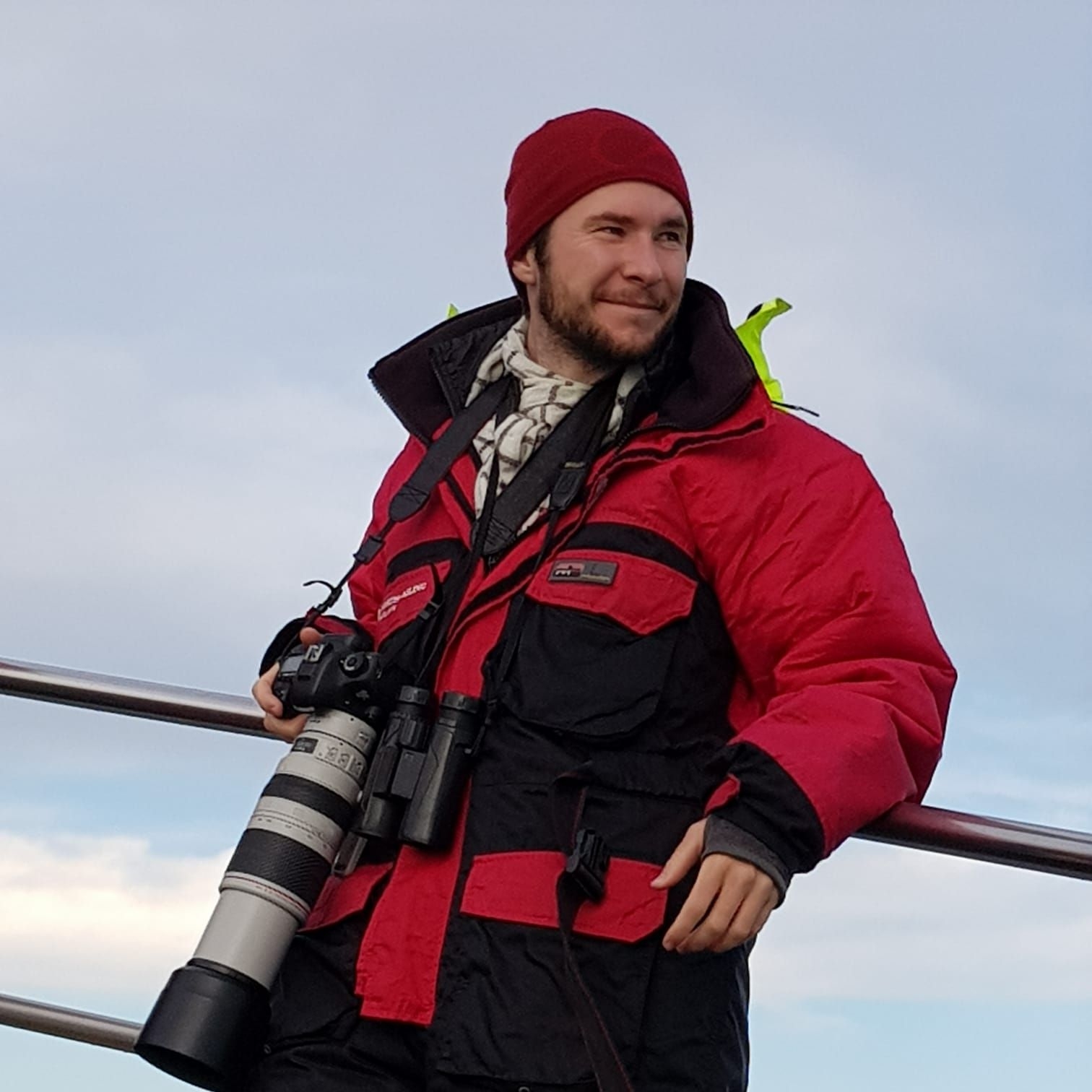
Thibaud Aronson, Photographer
Thibaud grew up in the countryside of southern France, in a family of biologists and naturalists, and quickly developed a passion for the living things around him, from newts and water snakes that he caught in the nearby ponds, to the wild orchids that grew in the short-grass prairies. That passion stuck with him through his university years, and he eventually earned a Master's in evolutionary biology, studying the love lives of birds. These days, he's based in Peru, putting his photographs in service of outreach and conservation in one of the world's megadiverse countries. He's written a field guide to the birds of central Peru and is now working on an expanded edition. See more of his work on Instagram (@thibaudaronson).
Alumni Interns
We are so grateful for the help we have received from the fellows and interns that have worked with us over the past years. They will always be a part of the EHN team.
Alumni Interns: Logan Bailey, Dakota Wagner, Min Yi Chin, Anthony DePinto, Jackie Anderson, Brooke Reynolds, Kay Allen, Rebecca O'Brien, and Veronica Magner.
Alumni Staff
Eve Allen, US Northeast Bioregional Coordinator from 2023-2026
Sefra Alexandra, Education Coordinator for the Northeast USA Bioregion from 2024-2025
Supporting ecological restoration on a global scale.
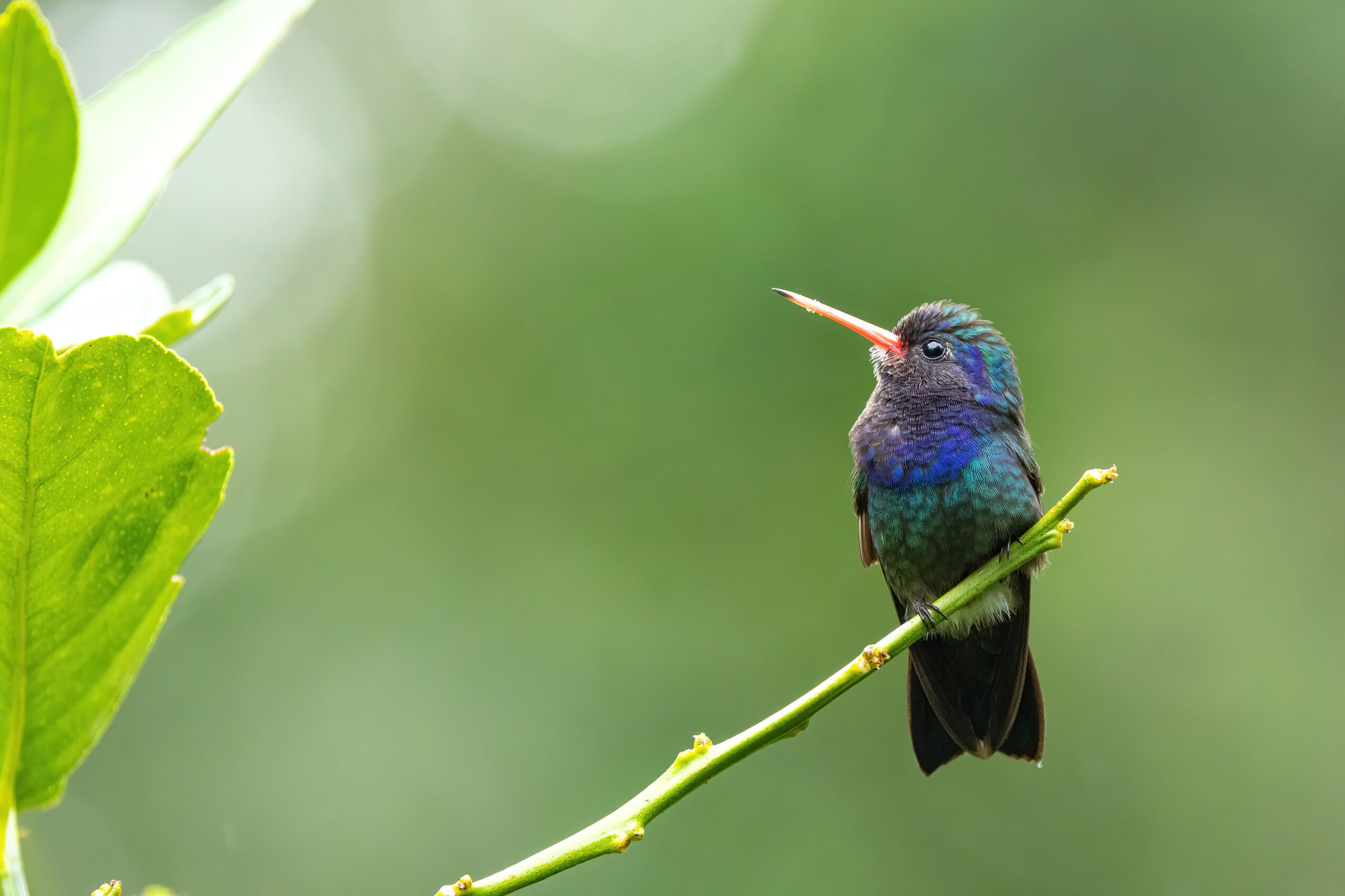
Photo by Thibaud Aronson